Engineering the movement and storage systems behind efficient operations.
GMD Engineering designs custom conveyors, vertical lifts, storage equipment and transfer mechanisms that connect receiving, production, warehousing and dispatch. We develop practical mechanical solutions around your loads, layout and operating sequence.
Intralogistics covers the movement, handling and storage of materials within a facility. A product may travel from receiving to storage, from storage to a production line, between floors, or from finished goods to dispatch. Each handoff needs equipment that matches the load and the surrounding operation.
GMD Engineering supports warehouses, manufacturers and equipment builders with mechanical design for internal material handling systems. Our work can range from a single conveyor or lifting mechanism to the mechanical development of connected equipment across a larger process.
We design around the actual constraints of the facility: load dimensions and weight, transfer height, travel path, available floor space, structural interfaces, operator access and required throughput. The agreed engineering handover can include 3D CAD assemblies, manufacturing drawings, bills of materials, STEP files and PDFs.
Where Warehousing and Intralogistics Projects Need Custom Design
Standard equipment can cover many storage and transport tasks. A custom design becomes useful when the load, facility or process does not fit a standard arrangement.
Common situations include:
Moving products between machines, work areas or warehouse zones.
Transferring materials between floors or mezzanines.
Handling pallets or large components along a defined route.
Storing and retrieving trays within a restricted footprint.
Connecting existing conveyors at different heights or directions.
Designing a vertical transport solution around a specific opening.
Supporting heavy or unusually shaped loads.
Modifying storage equipment for new product dimensions.
Improving mechanical interfaces between existing systems.
Preparing a consistent drawing and BOM package for fabrication.
The suitable equipment depends on the real load cases and operating sequence. We establish those inputs before developing the design.
Equipment and Systems We Can Design
Warehouse Conveyor Systems
Conveyors move products through receiving, storage, production and dispatch areas. The design needs to consider the item being transported as well as the route it follows.
Depending on the application, GMD can develop mechanical designs for:
Belt conveyors.
Roller conveyors.
Chain conveyors.
Pallet conveyors.
Modular belt conveyors.
Curved conveyors.
Custom transfer sections.
Conveyor supports, guides and interfaces.
We review product stability, load distribution, transfer gaps, conveyor height, access and the connection to neighboring equipment. Drive selection and structural checks are developed from the agreed duty and load requirements.
Vertical Material Lifts
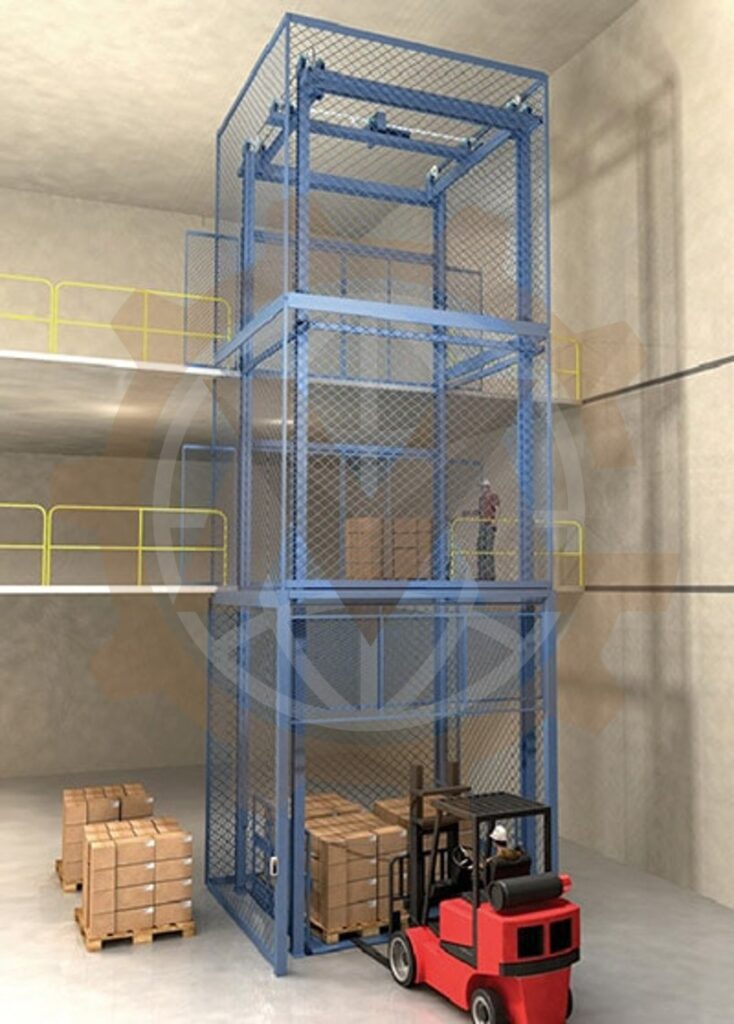
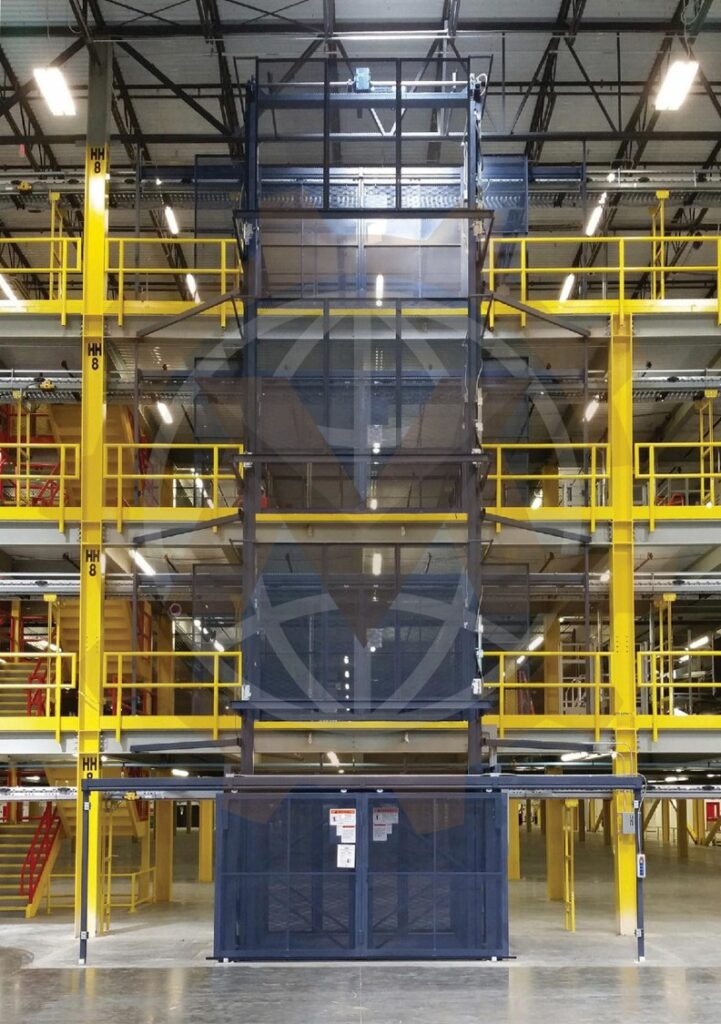
When goods need to move between levels, the lift must fit the building layout and the way loads arrive and leave. A design may need to accommodate a pallet, cart, tray or custom carrier.
Our mechanical design work can include the lifting arrangement, load platform or carrier, guidance, frame, access openings and interfaces to conveyors or other equipment. The load, travel, duty cycle, floor levels and applicable safety requirements must be defined for each project.
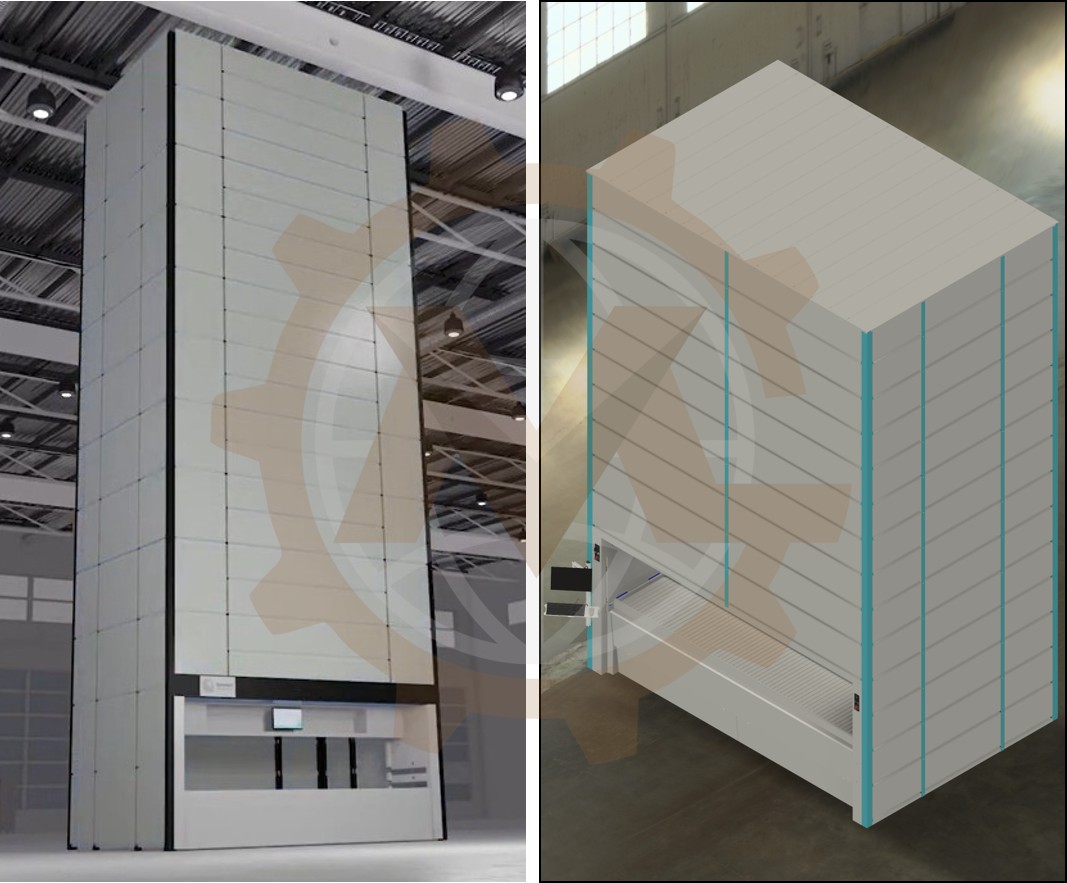
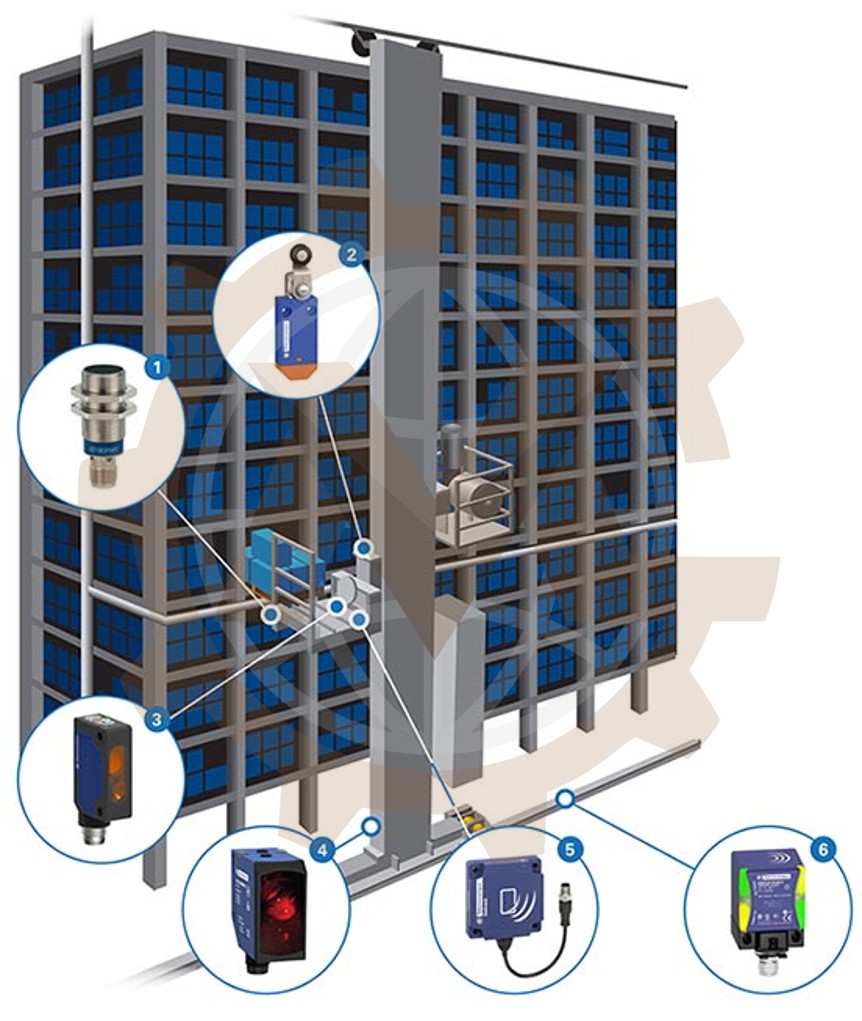
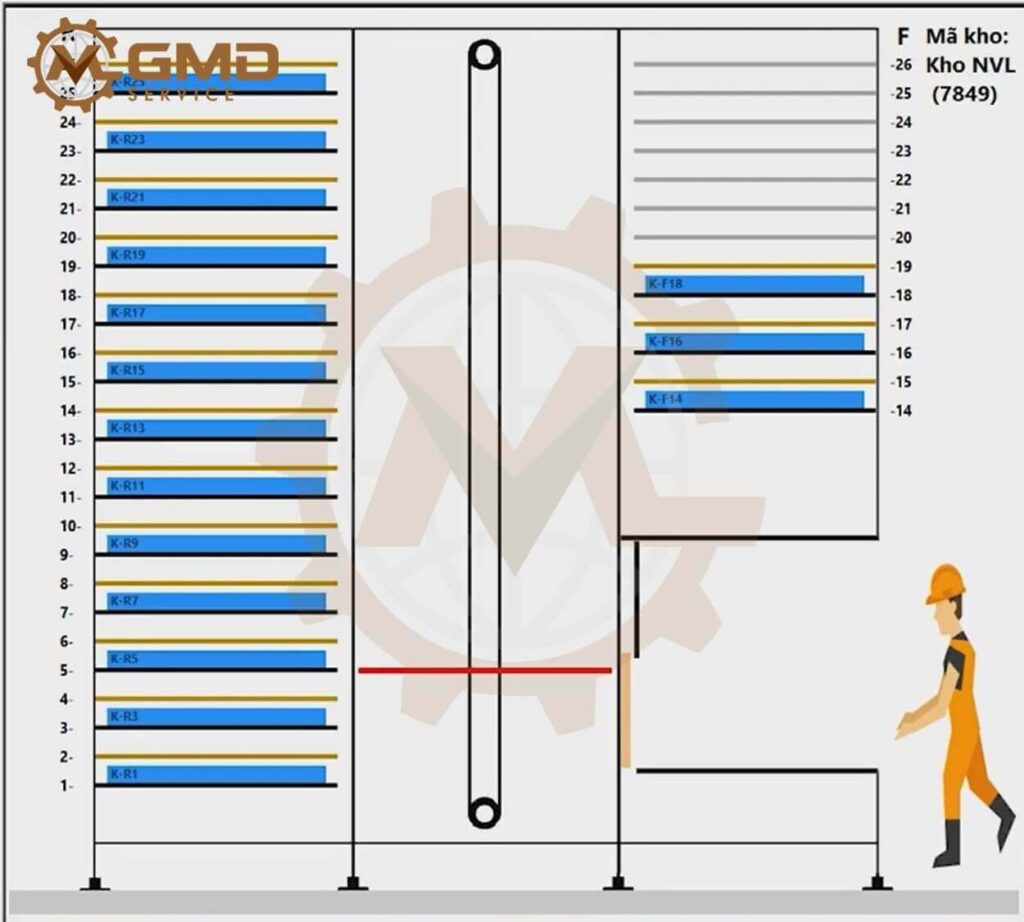
Vertical lift modules can store items in trays and present a selected tray at an access opening. The mechanical design involves more than the lift drive: tray dimensions, storage positions, access height, transfer clearance and equipment configuration must work together.
GMD can support the design or development of VLM-related mechanical assemblies, tray handling arrangements and configurable equipment. Where included in scope, Autodesk Inventor iLogic can help manage product variants and associated documentation.
A VLM, a vertical material lift and a goods lift serve different operating purposes. The correct concept depends on whether the main goal is storing and retrieving items, moving a load between levels, or connecting two material flow routes.
Vertical Lift Modules and Tray Storage
Pallet and Heavy-Load Handling
Pallets and heavy assemblies create different mechanical demands from small packages. The design may require suitable support across the load, controlled positioning and interfaces for a forklift, conveyor or lifting device.
GMD can develop custom mechanical arrangements for pallet transfer, positioning, lifting and handoff between stations. Required capacities are determined from the actual pallet, load distribution, operating conditions and agreed design criteria.
Pallet and Heavy-Load Handling
Transfer and Positioning Mechanisms
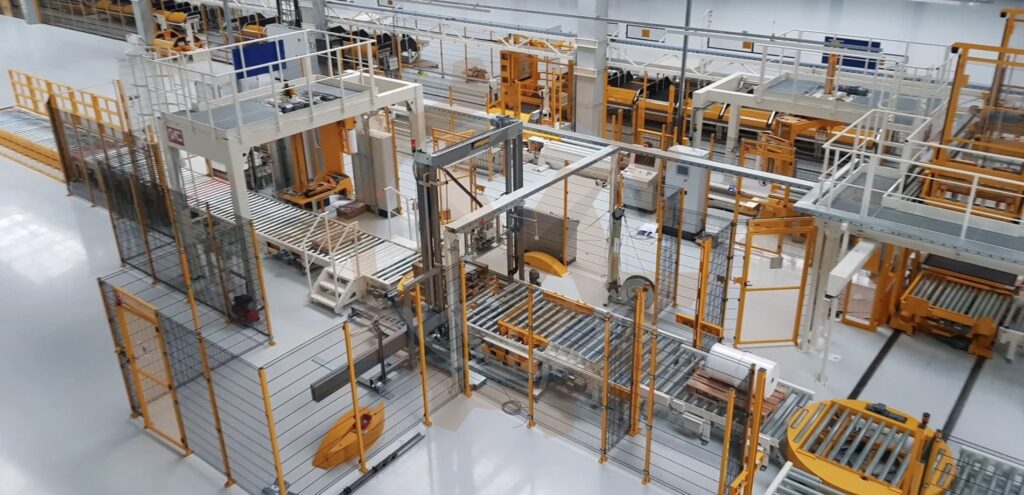
A conveyor often needs another mechanism at the point where the load changes direction, stops for an operation or enters a different machine.
Potential equipment includes:
Cross-transfer mechanisms.
Stops and locating devices.
Pushers and indexing mechanisms.
Turntables or rotary transfer arrangements.
Guided carriers.
Custom loading and unloading devices.
We select the approach based on the product geometry, travel, accuracy, available space and intended operating sequence.
Transfer and Positioning Mechanisms
Storage and Retrieval Equipment
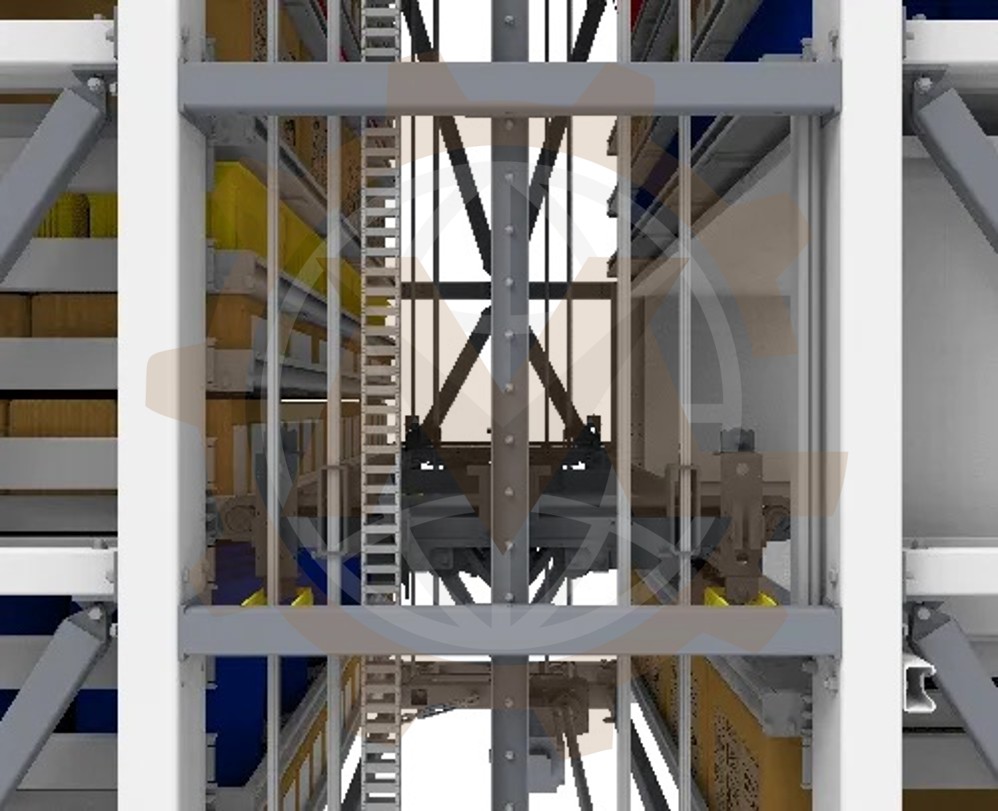
A warehouse may need equipment that presents stored materials to an operator or transfers them to another system. GMD can work on the mechanical aspects of custom storage equipment, tray movement, guidance, supporting frames and related interfaces.
If the project involves a complete automated storage and retrieval system, responsibilities for controls, inventory software, commissioning and overall system integration must be assigned in the project scope. Our core offer on this page is mechanical engineering design and documentation.
Storage and Retrieval Equipment
Production-to-Warehouse Interfaces
Material flow often crosses the boundary between a production machine and the warehouse. An item may leave a fabrication, assembly or packaging line and then need to be conveyed, lifted, accumulated or prepared for storage.
We can design the mechanical handoff between these stages, including equipment footprints, transfer heights, product guides, supports and access envelopes.
Production-to-Warehouse Interfaces
How We Approach an Intralogistics Design
1. Map the Material Flow
We begin by identifying where each load starts, where it needs to go and what happens at every transfer point. This includes the existing equipment, operator actions and available routes.
2. Define Loads and Operating Requirements
We review dimensions, mass, load distribution, handling unit, throughput, travel, elevation changes, duty cycle and the facility environment. We also identify any required product variants or future capacity provisions.
3. Assess the Layout and Interfaces
The available footprint, column positions, doors, openings, mezzanines and neighboring machines can determine the feasible equipment arrangement. We compare concepts against these constraints before detailed modeling.
4. Develop the Mechanical Concept
We establish the main mechanism, transfer sequence, load path, guidance and maintenance access. Concept reviews allow the client to confirm that the proposed arrangement fits the intended operation.
Schematic diagram of Vertical Lift Modules (VLM)
5. Complete Detailed CAD and Documentation
We develop the agreed assemblies and parts in Autodesk Inventor. Depending on the project, the handover may include manufacturing drawings, a BOM, STEP models and PDF files. Engineering calculations, FEA or motion simulation can support specific questions when included in scope.
Design Factors That Should Be Defined Early
The Load Unit
Is the system handling individual products, boxes, totes, trays, carts, pallets or irregular equipment? Dimensions and mass alone may not describe how a load should be supported or restrained.
Throughput and Duty Cycle
A lift that operates occasionally has different requirements from equipment that cycles continuously. The target operating pattern informs mechanism selection, drives and component sizing.
Transfer Heights and Clearances
A small mismatch at a handoff point can affect product movement. Transfer levels, load overhang, building openings and required clearances should be checked together.
Access for People and Equipment
Operator loading, forklift routes, cleaning and maintenance access all affect layout. A compact machine still needs room for safe operation and service.
Product and System Variants
If several load sizes or equipment configurations are expected, the design should define which elements are adjustable and which require different components.
Safety and Verification
Lifting and automated handling equipment may be subject to project-specific regulations, standards and site requirements. The applicable requirements, responsible parties and validation activities should be established before detailed design and implementation.
Example Applications
Facility need
Potential mechanical design scope
Move cartons between areas
Conveyor layout, guides, transfers and supports
Move pallets along a production route
Heavy-load conveyor and transfer mechanisms
Transport goods between levels
Vertical material lift, carrier, frame and interfaces
Store products in trays
VLM mechanical assemblies and tray handling
Connect two existing machines
Custom infeed, outfeed and positioning devices
Work around limited floor space
Vertical transfer or compact handling arrangement
Adapt equipment for new products
Modification of trays, carriers, guides or mechanisms
These are examples of potential applications. The final arrangement and performance requirements are established from the client’s actual facility and loads.
Engineering Deliverables
A GMD project can include:
Mechanical concept layouts.
Autodesk Inventor assemblies and part models.
General arrangement and interface drawings.
2D manufacturing and assembly drawings.
Bills of materials.
STEP files for supplier collaboration.
PDF drawing packages.
Agreed design revisions.
The deliverables depend on whether the project involves concept development, detailed equipment design, a product variant or modification of an existing system.
GMD has experience developing mechanical assemblies and configurable designs for a vertical storage machine. This type of work involves equipment variants, tray handling, access openings and the coordination of CAD models with the bill of materials.
GMD focuses on practical mechanical design for custom machines and material handling equipment. Our team has more than 10 years of mechanical design experience and works extensively with Autodesk Inventor.
For warehousing and intralogistics projects, we look at both the equipment and its connections: how a load arrives, how it is supported, where it travels and how it leaves. We prepare the agreed CAD models, drawings and BOMs so the design can be reviewed and passed to the teams responsible for fabrication and integration.
We can collaborate remotely with equipment builders, manufacturers and warehouse operators. Project confidentiality, ownership and technical deliverables are defined in the agreement.
What to Share When Requesting a Design
An initial inquiry is more useful when it includes some of the following:
Photos or drawings of the products, pallets, trays or carriers.
Maximum and typical load dimensions and weights.
Required pickup and delivery locations.
Floor plan and available equipment footprint.
Transfer heights and building openings.
Target flow rate and expected duty cycle.
Existing equipment and interface information.
Number of product or load variants.
Required CAD files and documentation.
Applicable site, safety and customer requirements.
Preliminary information is enough to begin a discussion. We can identify the remaining inputs during the technical review.
Frequently Asked Questions
What is intralogistics?
Intralogistics concerns how materials and products move, are handled and are stored within a facility. For this page, GMD’s role is the mechanical design of equipment that supports those activities.
Can GMD design a complete warehouse automation system?
We can discuss the mechanical design of equipment or connected handling systems. A complete warehouse automation project also needs clearly assigned responsibilities for controls, software, site integration, commissioning and validation.
Do you design warehouse conveyors?
Yes. We can develop custom conveyor and transfer equipment around the specified products, loads, layout and interfaces.
Can you design a lift between warehouse levels?
Yes. We can assess the mechanical requirements for a vertical material lift or other suitable lifting arrangement. Capacity, openings, travel, usage and applicable requirements must be defined for the specific site.
What is the difference between a VLM and a vertical material lift?
A VLM is primarily arranged to store and retrieve items, commonly using trays. A vertical material lift is primarily arranged to move a load between elevations. A project can include additional handling functions, so equipment selection should follow the required operating sequence.
Can you modify an existing storage or conveyor system?
Yes, subject to review of the installed equipment, available CAD or drawings, condition information and the proposed new requirements.
Do you provide warehouse management software or PLC programming?
These disciplines are included only when expressly agreed. A mechanical design assignment can define interfaces that the client’s controls and software teams use during integration.
What files can you deliver?
Depending on the scope, we can deliver Autodesk Inventor files, STEP models, 2D manufacturing drawings, PDFs and a bill of materials. File versions and handover requirements are confirmed before work begins.
Let’s Improve the Way Materials Move Through Your Facility
If you need to move goods between levels, connect production equipment, develop a custom conveyor route or design a vertical storage mechanism, GMD can help turn your handling requirements into a reviewable mechanical design.
We use cookies to make our website work, analyse traffic and improve your experience. You can accept all cookies, deny non-essential cookies or manage your preferences. You can change your choice at any time. For more information, please see our Cookie Policy.
Functional
Always active
The technical storage or access is strictly necessary for the legitimate purpose of enabling the use of a specific service explicitly requested by the subscriber or user, or for the sole purpose of carrying out the transmission of a communication over an electronic communications network.
Preferences
The technical storage or access is necessary for the legitimate purpose of storing preferences that are not requested by the subscriber or user.
Statistics
The technical storage or access that is used exclusively for statistical purposes.The technical storage or access that is used exclusively for anonymous statistical purposes. Without a subpoena, voluntary compliance on the part of your Internet Service Provider, or additional records from a third party, information stored or retrieved for this purpose alone cannot usually be used to identify you.
Marketing
The technical storage or access is required to create user profiles to send advertising, or to track the user on a website or across several websites for similar marketing purposes.