
Automatic Sheet Metal Laser Loading and Unloading System: Technical Case Study
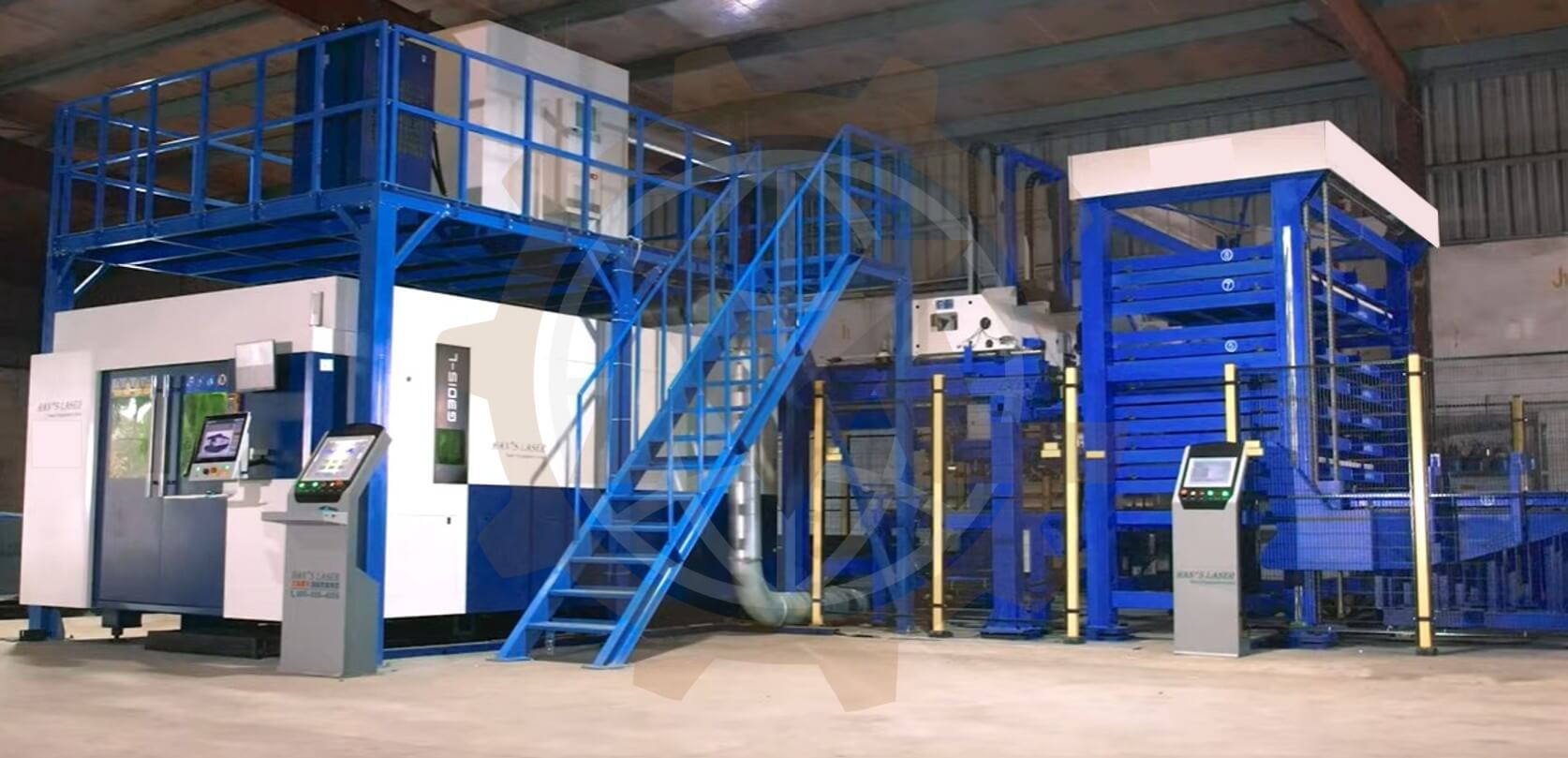
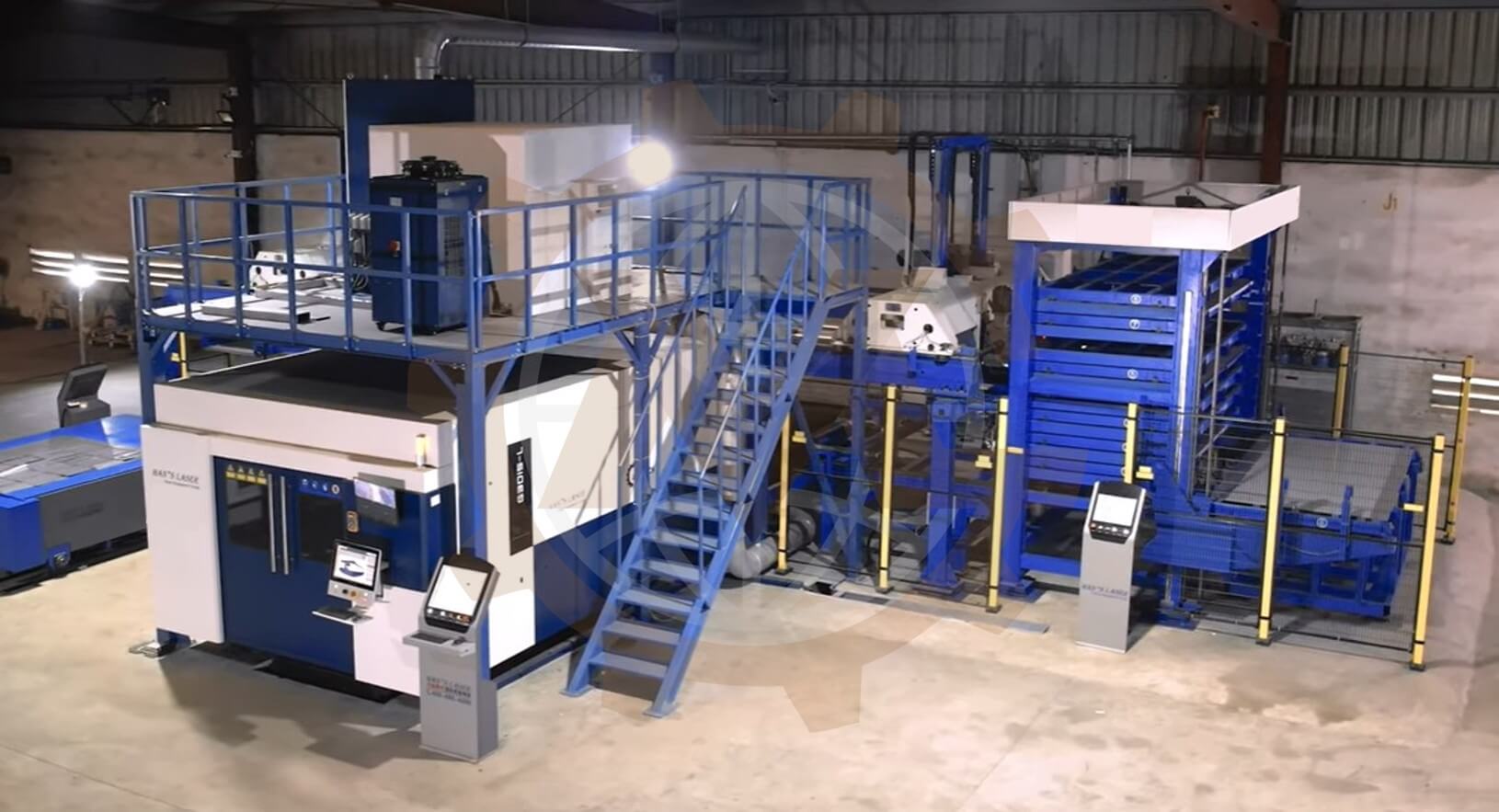
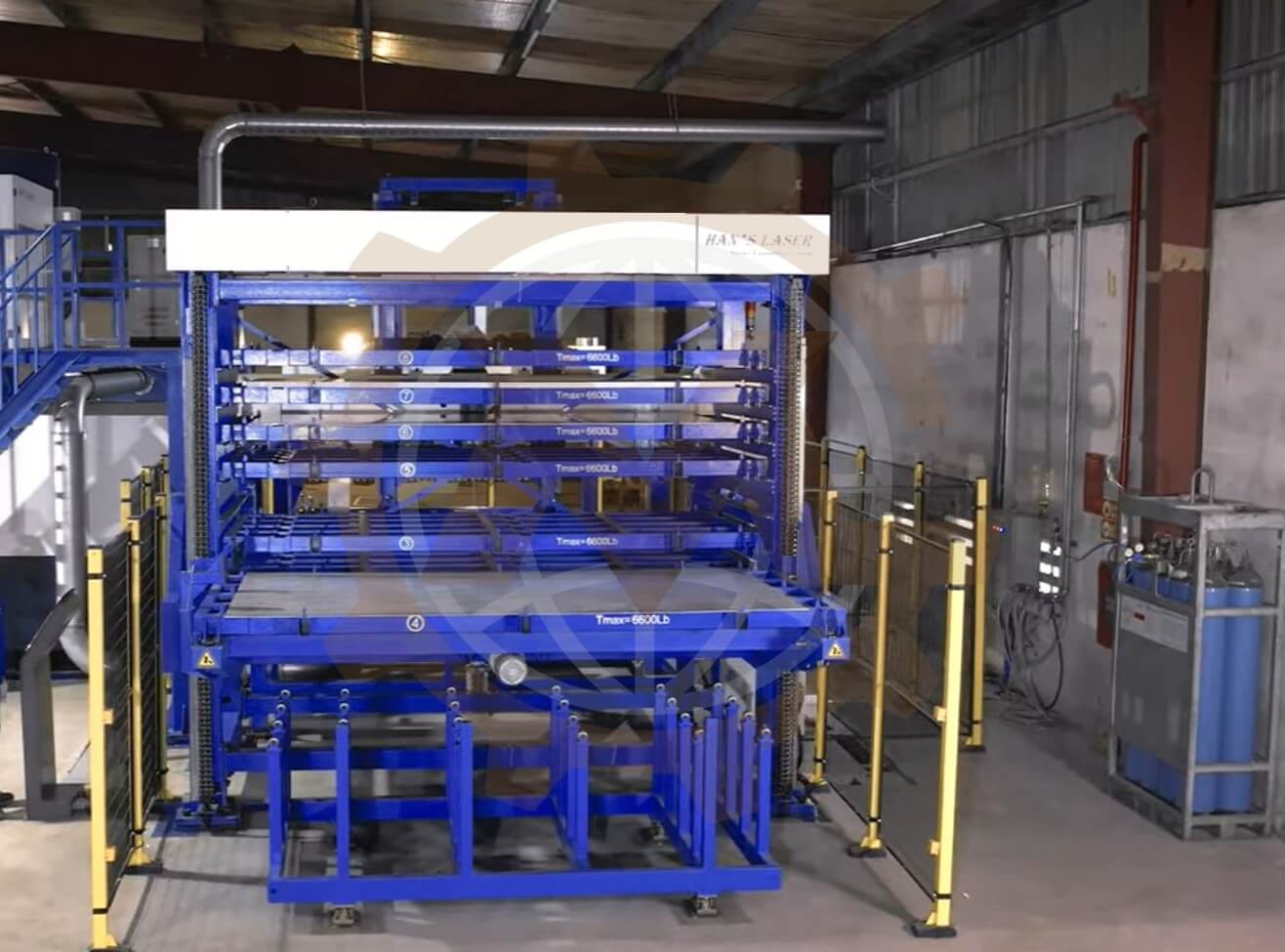
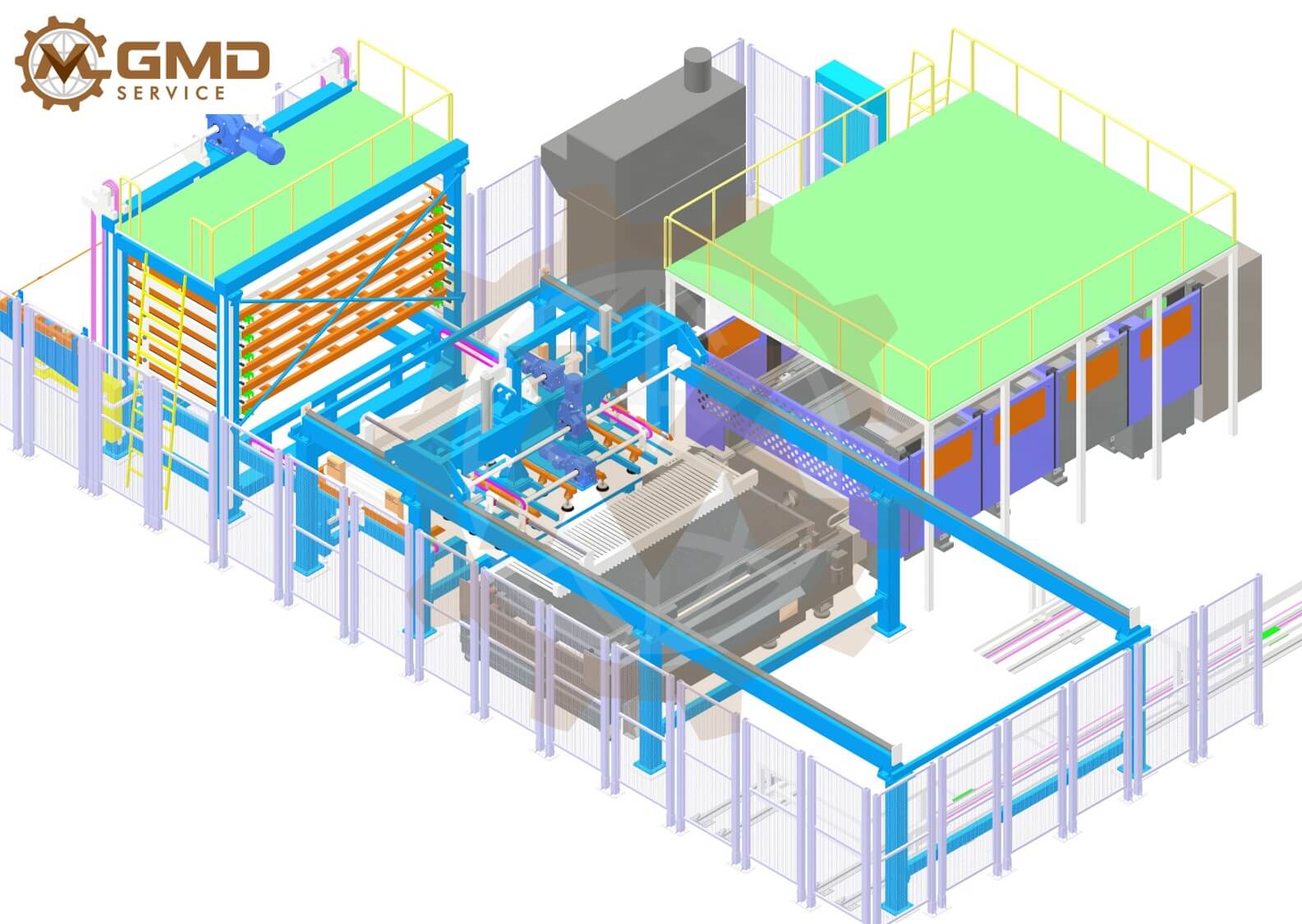
GMD Engineering developed an automatic sheet metal loading and unloading system integrating a multi-level storage tower, pallet handling, gantry transfer, laser cutting, vacuum sheet loading, comb-rake unloading, and dual-level operator tables for continuous production.












1. Client and Industry Context
This project was developed for a sheet-metal processing application in Vietnam. The production cell needed to connect multi-level raw-sheet storage with a laser cutting machine and an operator area for sorting finished parts. GMD Engineering developed the mechanical design for an integrated storage, transfer, loading and unloading system.
2. The Challenge: Loading Raw Sheets and Unloading Cut Nests
The main challenge was to keep material moving through the cell while limiting the laser machine’s wait time between cutting cycles. Raw sheets needed to be retrieved, separated and loaded one at a time. After cutting, the system needed to remove an entire processed nest containing parts of different shapes and sizes, then present it safely to operators.
These tasks had to be coordinated around a shared travelling gantry, the laser exchange table, the storage tower and two operator tables.
3. Input Requirements
The design brief called for a system that could:
- Store multiple pallets of raw sheet metal at different tower levels.
- Retrieve the selected pallet and present it at a sheet pickup position.
- Pick and transfer one raw sheet at a time to the laser loading table.
- Remove the complete processed nest from the laser exchange table.
- Transfer processed material to an operator-accessible sorting area.
- Allow sorting and preparation for the next unloading cycle to overlap.
The design also had to provide access for inspection and maintenance and define mechanical interfaces for drives, sensors, guarding and the laser machine.
4. Space, Laser Table Clearance and Operator Access
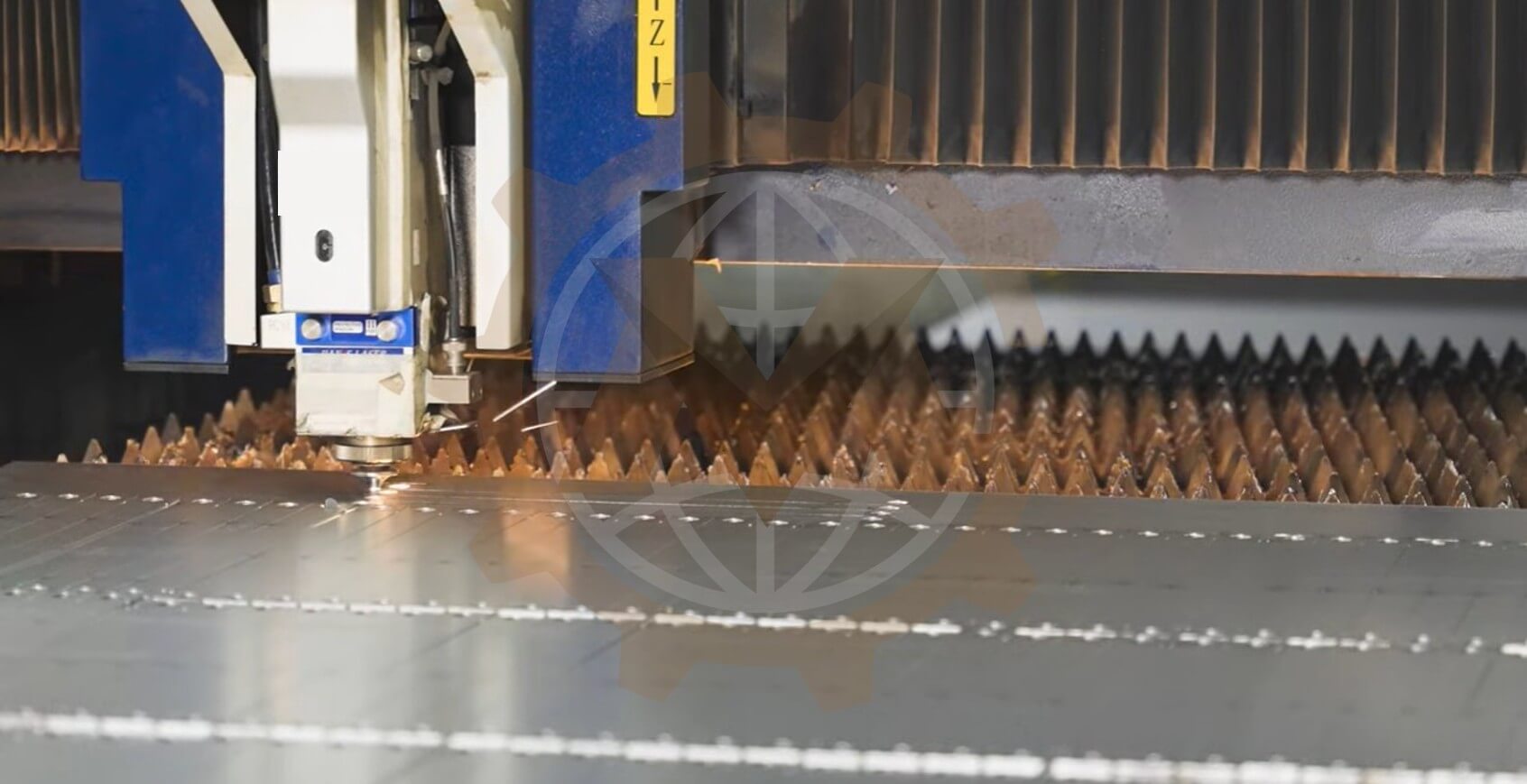
The mechanisms had to fit the available factory layout and operate around the laser machine’s existing table movement. A particularly sensitive interface was the gap between the laser table slats: unloading fingers had to enter these gaps without striking the slats or accumulated cutting debris.
The gantry also needed sufficient travel and vertical clearance for both raw-sheet loading and processed-nest unloading. Operators had to be able to sort material while remaining separated from automatic movements.
5. Vacuum Pickup Versus Under-Sheet Support
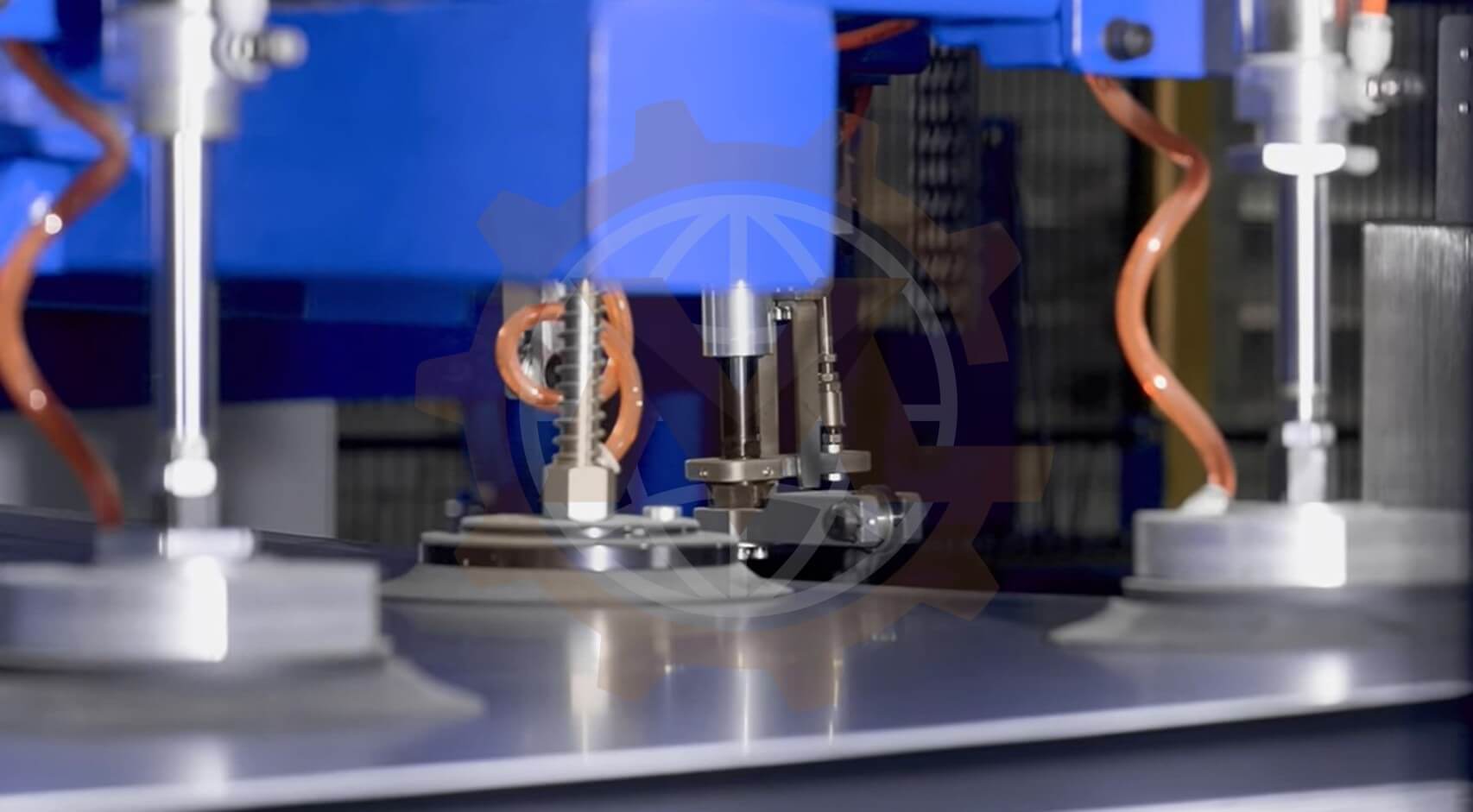
The handling tasks called for different gripping approaches. Vacuum pickup was suitable for a raw, uncut sheet because suction cups could grip it from above. It was less suitable for a processed nest, where separate cut parts might not provide reliable suction surfaces.
For unloading, a comb-type rake offered support from below across the nest. A two-table arrangement was also developed so one processed batch could be presented to operators while the other table returned to the receiving position. The published project information does not include a formal concept comparison or scoring matrix.
6. Gantry Transfer with Vacuum Pickup and Comb-Rake Unloading
The selected architecture combines:
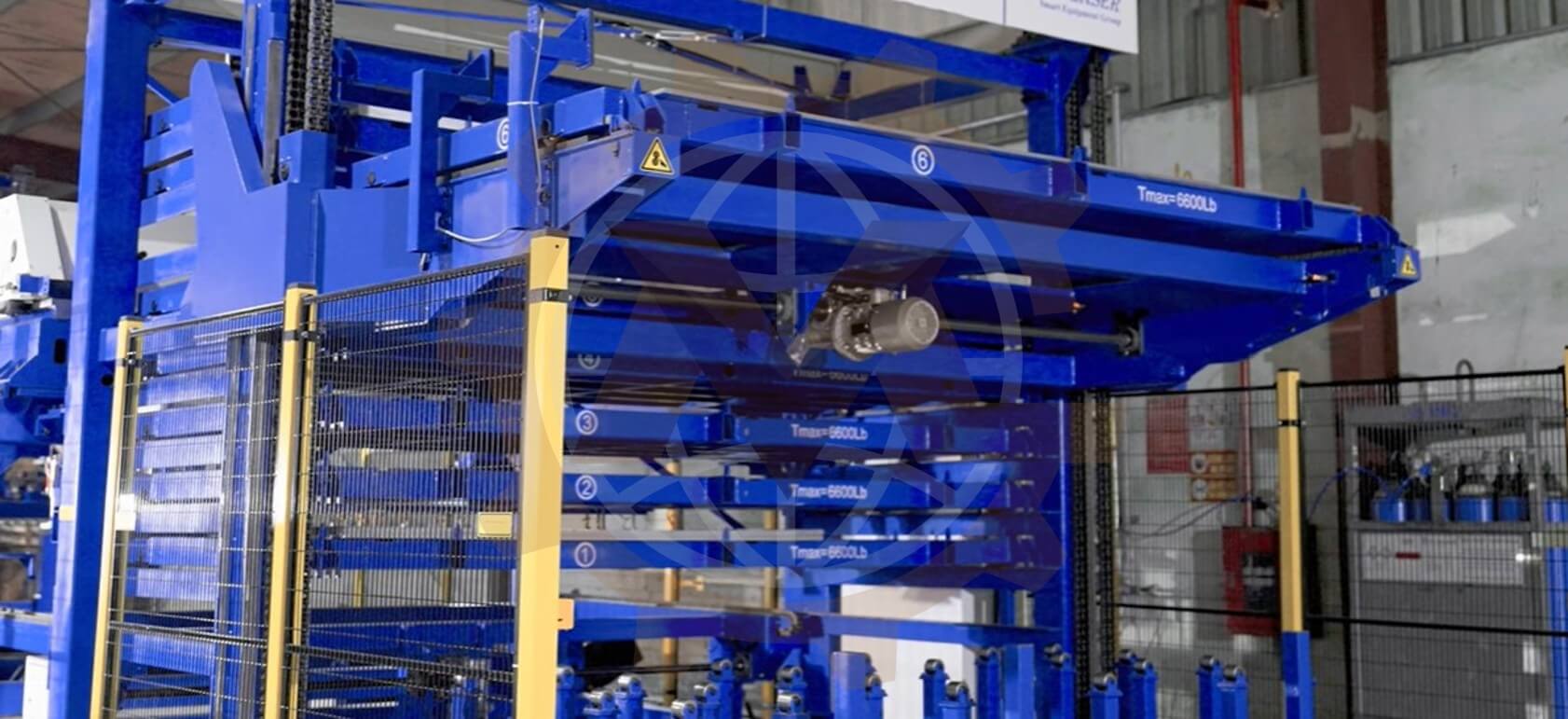
- A multi-level storage tower with a vertical pallet lift.
- Chain-driven horizontal pallet transfer.
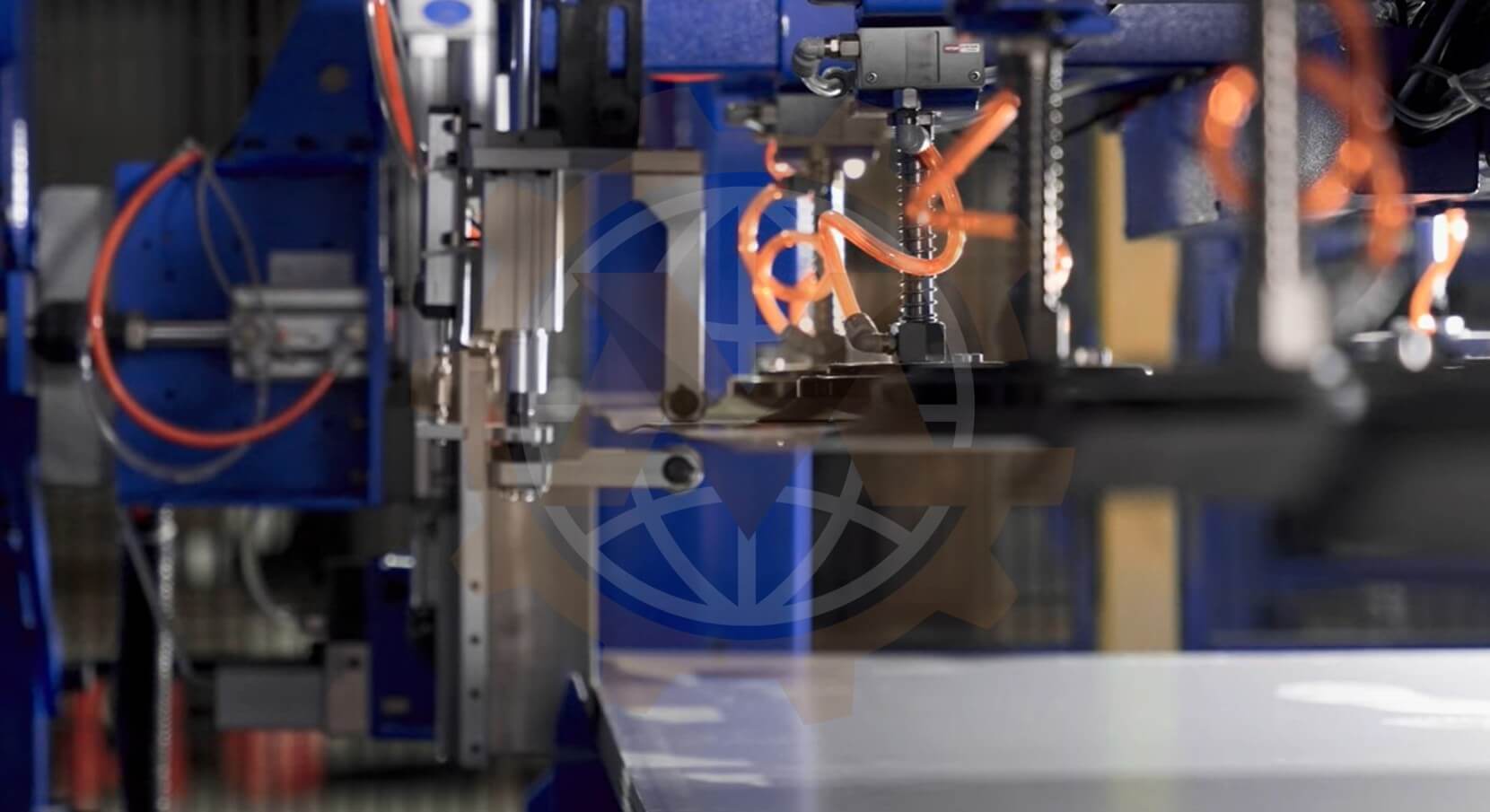
- A travelling gantry with a vacuum lifting assembly for raw sheets.
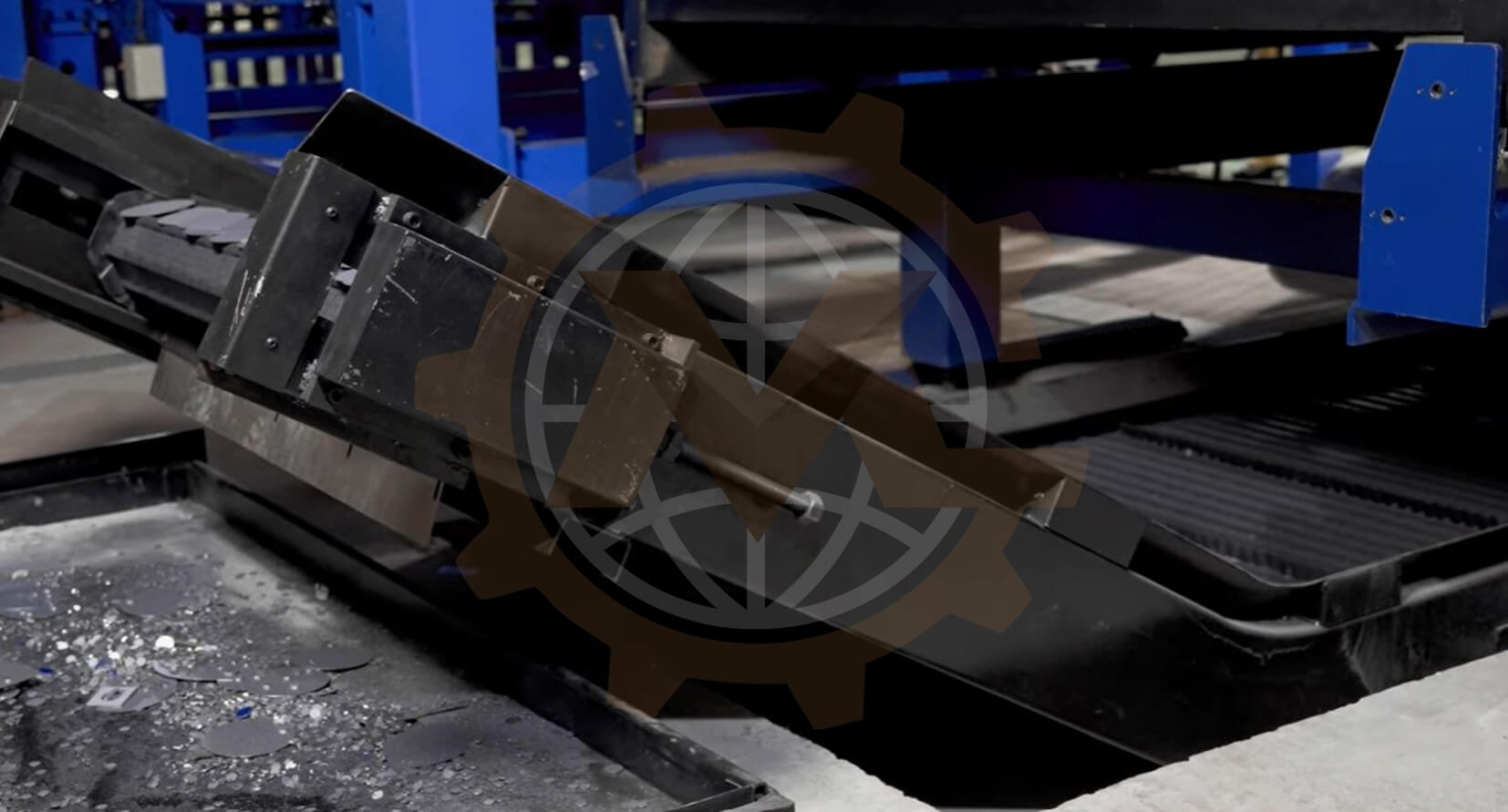
- A comb-type rake that enters between the laser table slats and lifts the processed nest from below.
- Two movable operator tables at different elevations, allowing them to pass one another.
During operation, the selected pallet is brought to the pickup position. The gantry loads a raw sheet onto the laser waiting table. After cutting, the exchange table presents the processed nest; the rake lifts it and the gantry transfers it to an available operator table. The second table can move into position while operators sort the previous batch.
7. Load, Deflection, Vacuum and Cycle-Time Checks
The mechanical design requires checks tied to the confirmed sheet sizes, payloads, motion profiles and machine interfaces. Key checks include:
- Pallet and lift loading: maximum pallet payload, lift structure, chain forces, roller loads and drive torque.
- Gantry motion: moving mass, acceleration loads, drive sizing, structural deflection and stopping clearance.
- Vacuum pickup: sheet weight, acceleration, usable suction area, vacuum level and the effect of a failed or poorly sealed cup.
- Comb-rake loading: load distribution, finger bending and deflection, support for the smallest cut components, and clearance to the laser table slats.
- Cycle coordination: time available for pallet retrieval, sheet pickup, gantry travel, unloading and table exchange relative to the laser cutting cycle.
These are the engineering checks relevant to the mechanism. Numerical calculations and performance claims should be added only after the project’s approved design values or test records are available.
8. CAD and Software Used
The project scope included complete 3D mechanical modelling, layout development, manufacturing drawings, a bill of materials, and motion and collision verification. GMD Engineering uses Autodesk Inventor as its primary mechanical design platform. The published project record does not identify the exact software version or document a project-specific FEA report.
9. Engineering Deliverables
The mechanical engineering scope covered the system layout and material flow; storage tower and pallets; lift, chain transfer and gantry mechanisms; vacuum lifting frame; comb-rake unloading assembly; dual-level operator tables; machine interfaces; support structures; guarding and access arrangements; 3D CAD; 2D manufacturing and assembly drawings; and the bill of materials.
10. An Integrated Cell with Two Alternating Sorting Tables
The completed design integrates one storage tower, one shared gantry, two distinct sheet-handling methods and two alternating operator tables into a coordinated material flow. The two-table arrangement permits operator sorting and preparation for the next unloading operation to take place at the same time.
No verified reduction in cycle time, labour hours or laser idle time has been published for this project. Those outcomes should be stated as percentages or time savings only when measured against an agreed baseline.
11. Related Service
This project is an example of GMD Engineering’s Custom Machine Design Services, covering mechanism development, 3D mechanical design and manufacturing documentation for a production-specific automation system.
12. Planning a Similar Project?
If you are developing a laser loading and unloading system, sheet-metal storage tower or custom material-handling cell, contact GMD Engineering to discuss your sheet dimensions and weight, storage capacity, laser machine interface, target cycle time, available space and required engineering deliverables.